

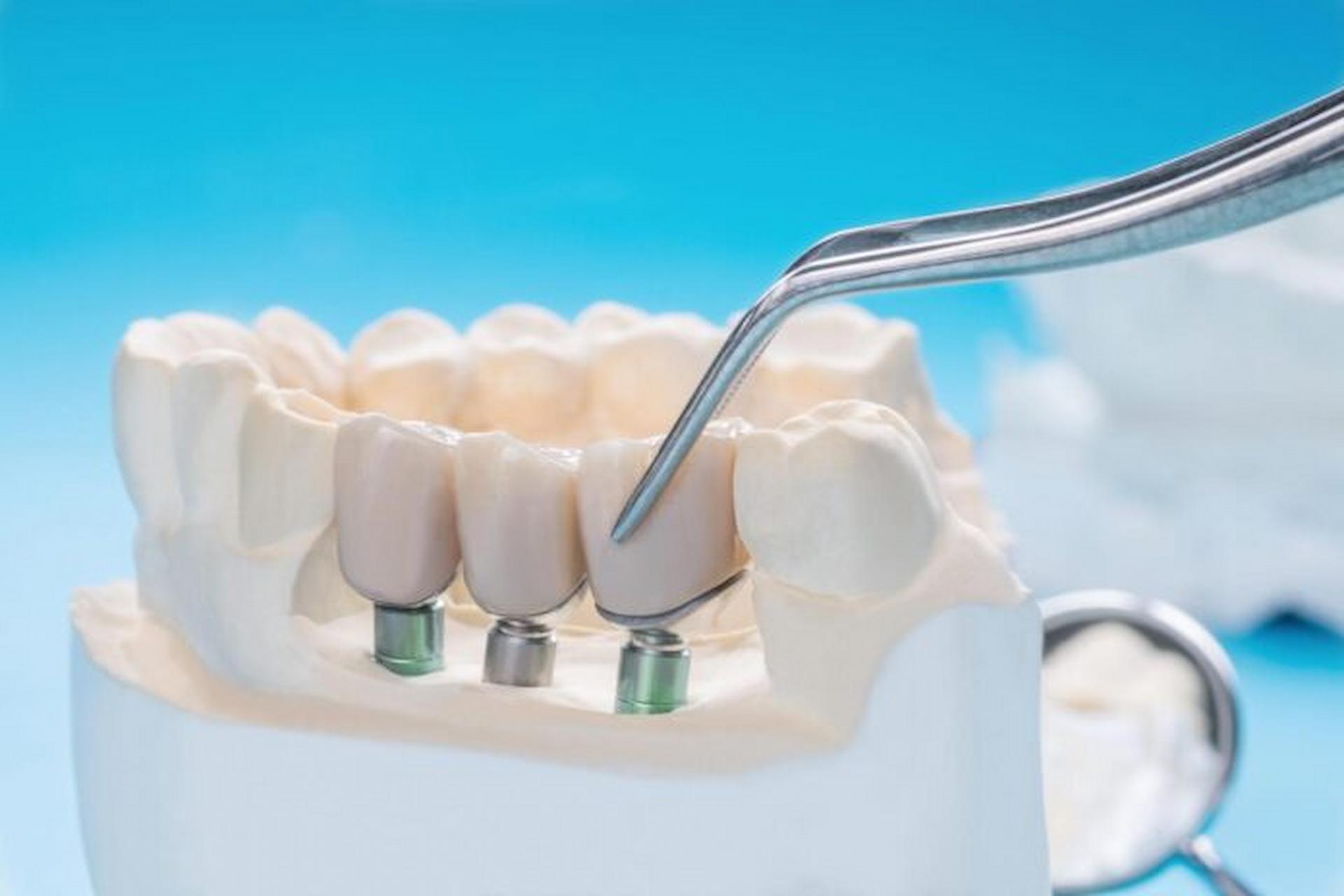
Dental implants are a reliable and long-term solution for replacing missing teeth, designed to mimic the function and appearance of natural teeth. Constructed primarily from titanium, dental implants are surgically embedded into the jawbone, where they fuse through a process called osseointegration. This foundational bond allows the implant to remain stable and functional for decades, and in many cases, even a lifetime. However, while the titanium post is highly durable, the visible crown component may need replacement every 10 to 20 years due to wear and tear.
Clinical studies report implant survival rates of over 93% to 98% within the first 5 to 10 years. Beyond 15 years, success rates remain high but may slightly decline depending on the patient’s health and maintenance habits. Factors such as smoking, poor oral hygiene, teeth grinding (bruxism), gum diseases like peri-implantitis, and certain medical conditions (e.g., diabetes) can all compromise implant longevity.
Proper care is essential. This includes regular dental checkups, professional cleanings, diligent flossing and brushing, and avoiding hard foods or habits like chewing ice. Patients are encouraged to have their implants examined every one to two years to ensure structural integrity and prevent complications.
Ultimately, dental implants offer a high-value, trustworthy solution for tooth replacement. With the right surgical approach and consistent care, patients can enjoy both functional and aesthetic benefits for many years. This guide highlights expert-backed insights to help individuals make informed, confident choices about their oral health.
